Introduction
Before preparing for CLAT, students should clearly understand what the examination actually tests.
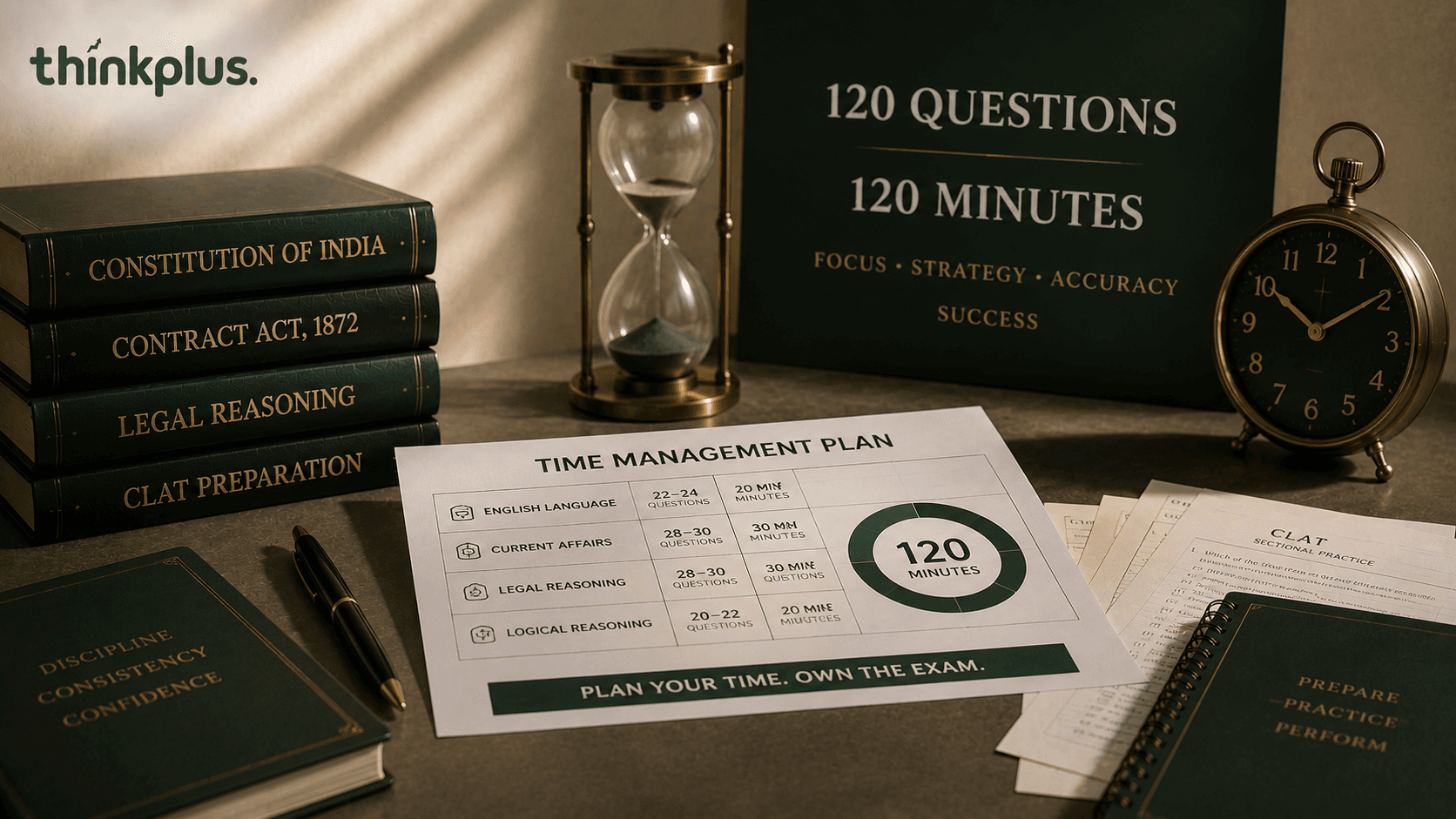
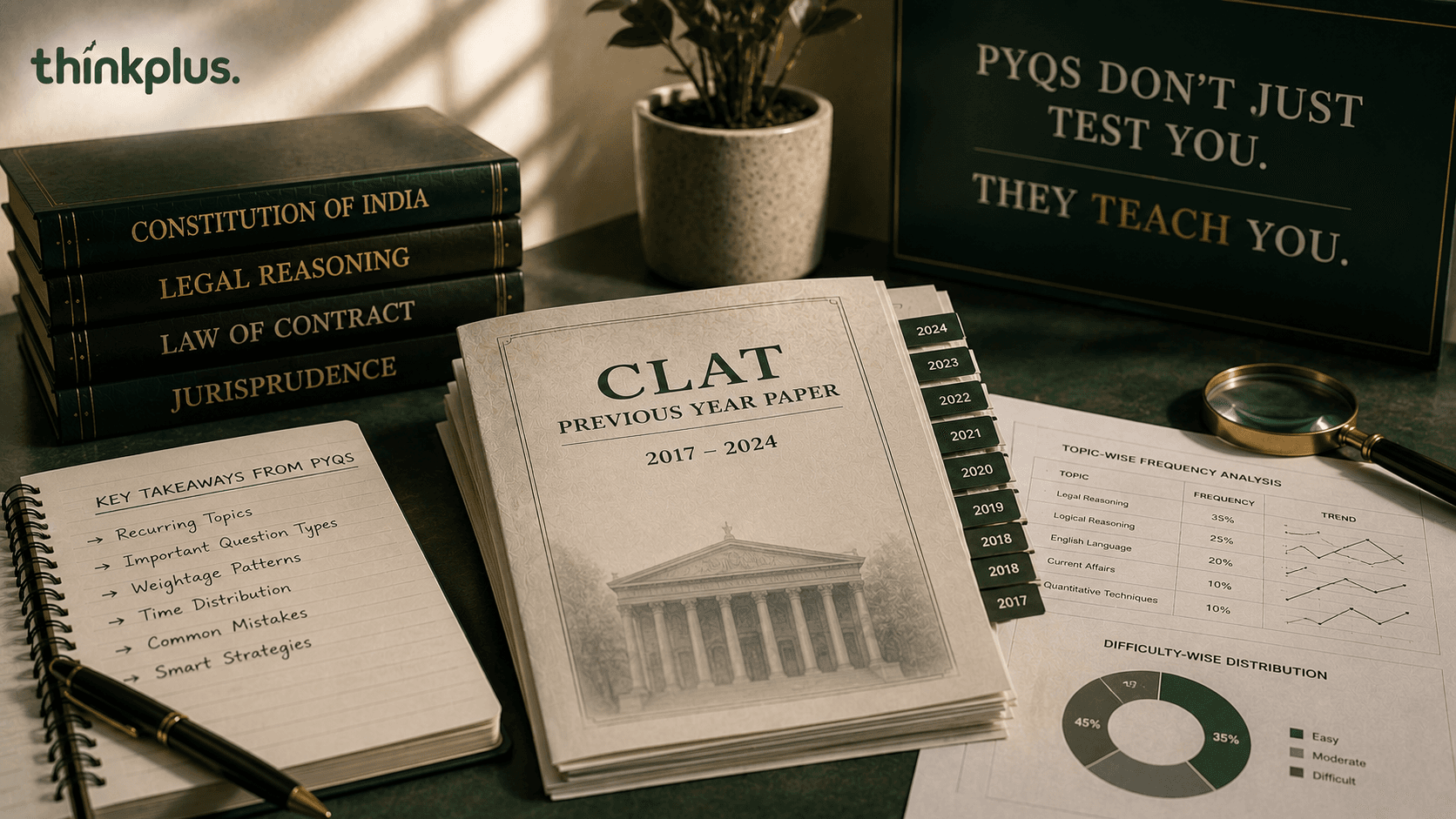
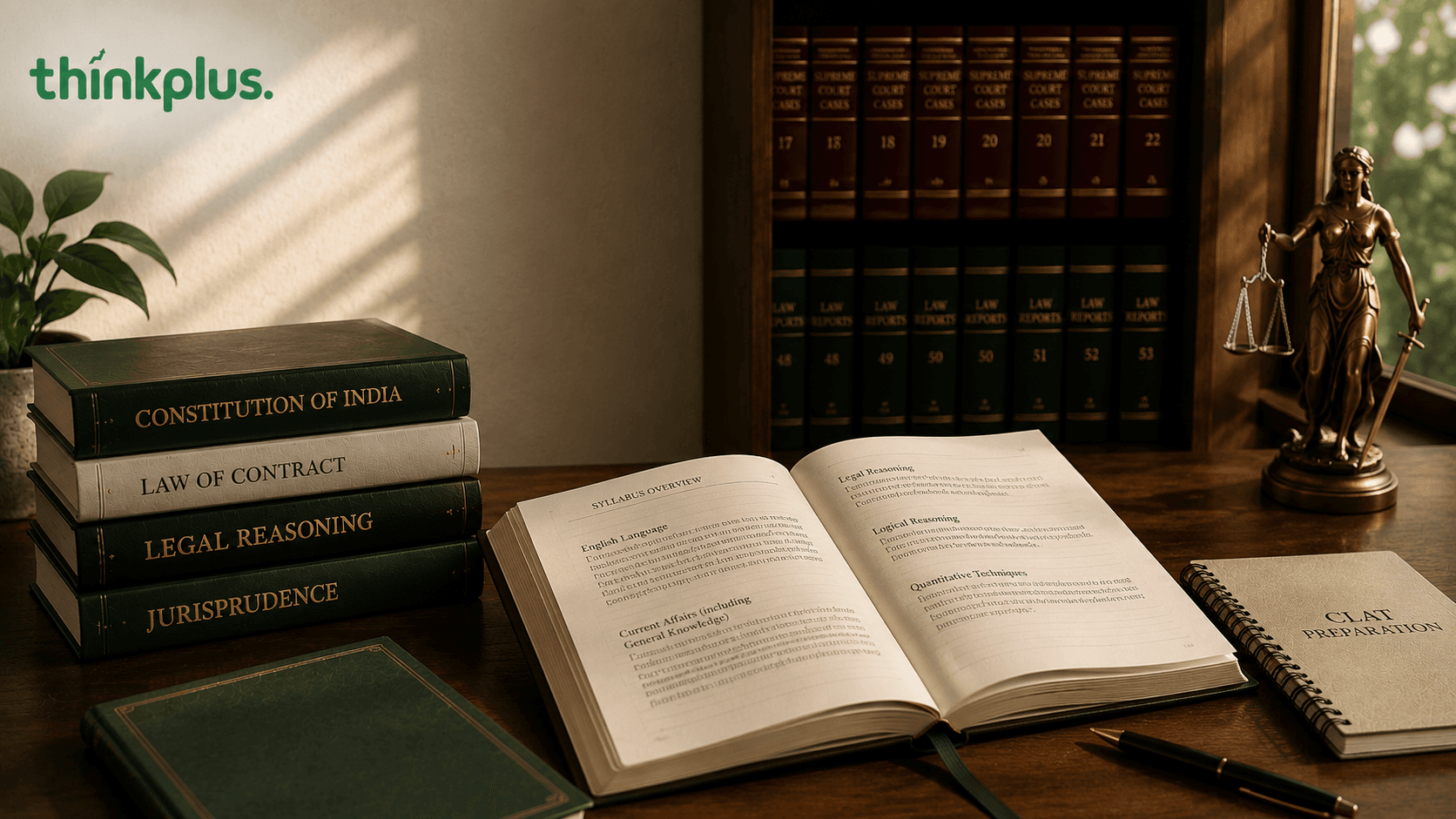
CLAT 2027 continues with five sections and 120 questions, with approximately 20% of the paper devoted to English, 25% to Current Affairs, 25% to Legal Reasoning, 20% to Logical Reasoning and 10% to Quantitative Techniques.
The English section contains passages of approximately 450 words drawn from contemporary or historically significant fiction and non-fiction.
Students may be asked to:
• Identify the main idea • Understand arguments • Draw conclusions • Make inferences • Summarise content • Compare viewpoints • Understand vocabulary in context
This section is fundamentally a test of reading comprehension and language skills.
How to Prepare
Read daily and practise passage-based questions.
Instead of memorising hundreds of vocabulary words, understand vocabulary through context.
This section uses passages derived from news and other non-fiction sources.
The syllabus identifies areas such as:
• Important contemporary events • Indian and international affairs • Arts and culture • Historical events of continuing importance
How to Prepare
Maintain monthly Current Affairs notes.
For every major event, know:
What happened? Why did it happen? Who is involved? Why is it important? What happened next?
This creates deeper understanding than memorising isolated facts.
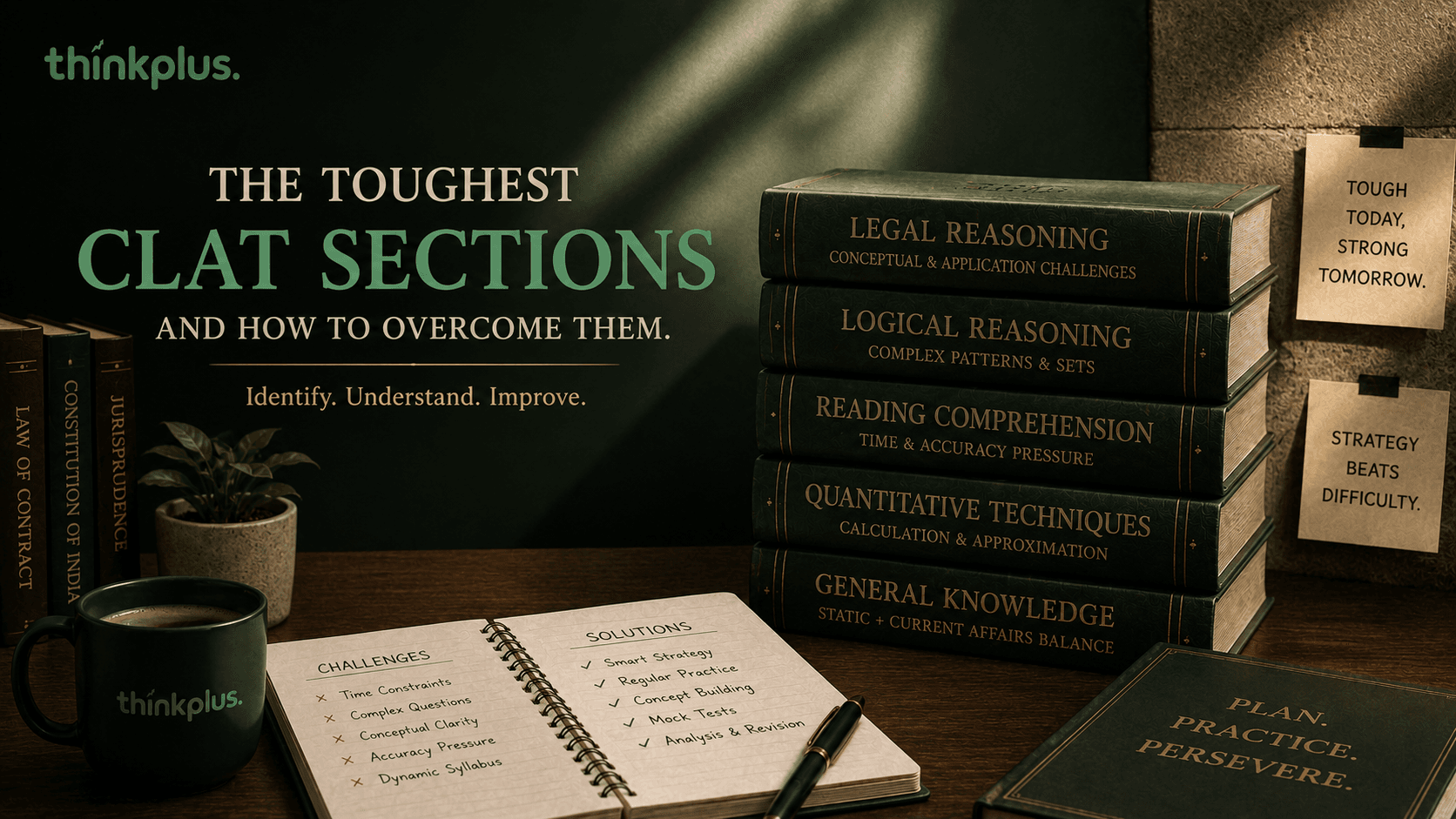
Legal Reasoning is one of the most important CLAT sections, representing roughly 25% of the paper.
Passages may concern legal matters, public policy or moral questions.
Students need to:
• Identify legal principles • Infer rules • Apply principles to new facts • Understand how changing facts can change the outcome
No prior knowledge of law is officially required.
Logical Reasoning evaluates argument analysis.
Questions may require you to:
• Identify premises • Identify conclusions • Strengthen arguments • Weaken arguments • Draw inferences • Recognise contradictions • Compare arguments • Evaluate reasoning
This means the section is less about traditional puzzle memorisation and more about critical reasoning.
Quantitative Techniques requires candidates to extract numerical information from sets, passages, tables or related representations and perform mathematical operations.
The official syllabus mentions Class 10-level topics including:
• Ratio and proportion • Basic algebra • Mensuration • Statistical estimation
Students should additionally maintain strong fundamentals in percentages, averages, fractions and data interpretation.
Conclusion
The CLAT syllabus becomes easier when viewed as one connected skill system.
English tests reading.
Legal and Logical Reasoning test reasoning.
Current Affairs tests awareness plus comprehension.
Quantitative Techniques tests interpretation plus basic mathematics.
Read Better → Think Better → Analyse Better → Score Better
Talk to a Thinkplus counsellor and turn this article into a realistic preparation plan.