Introduction
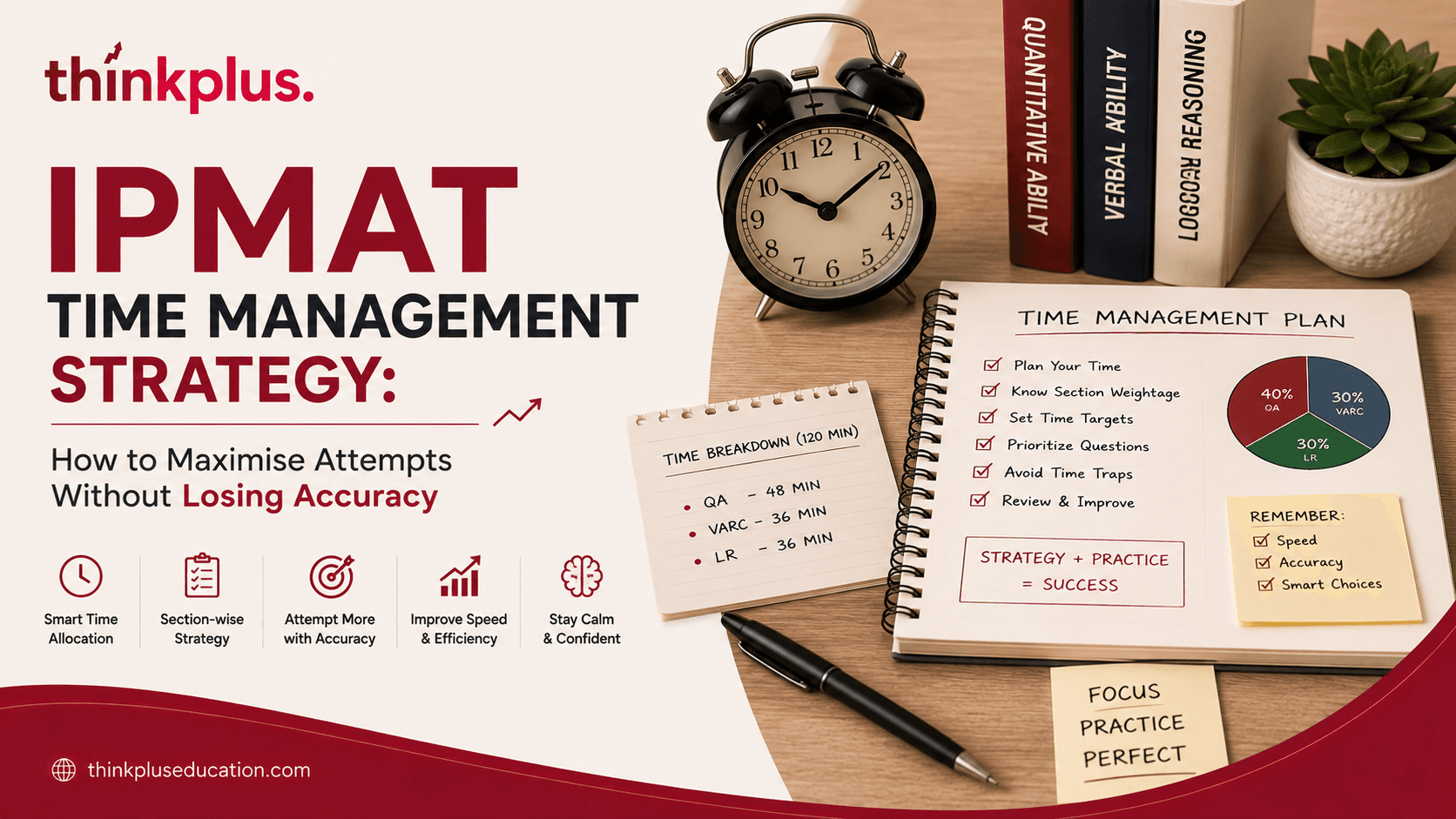
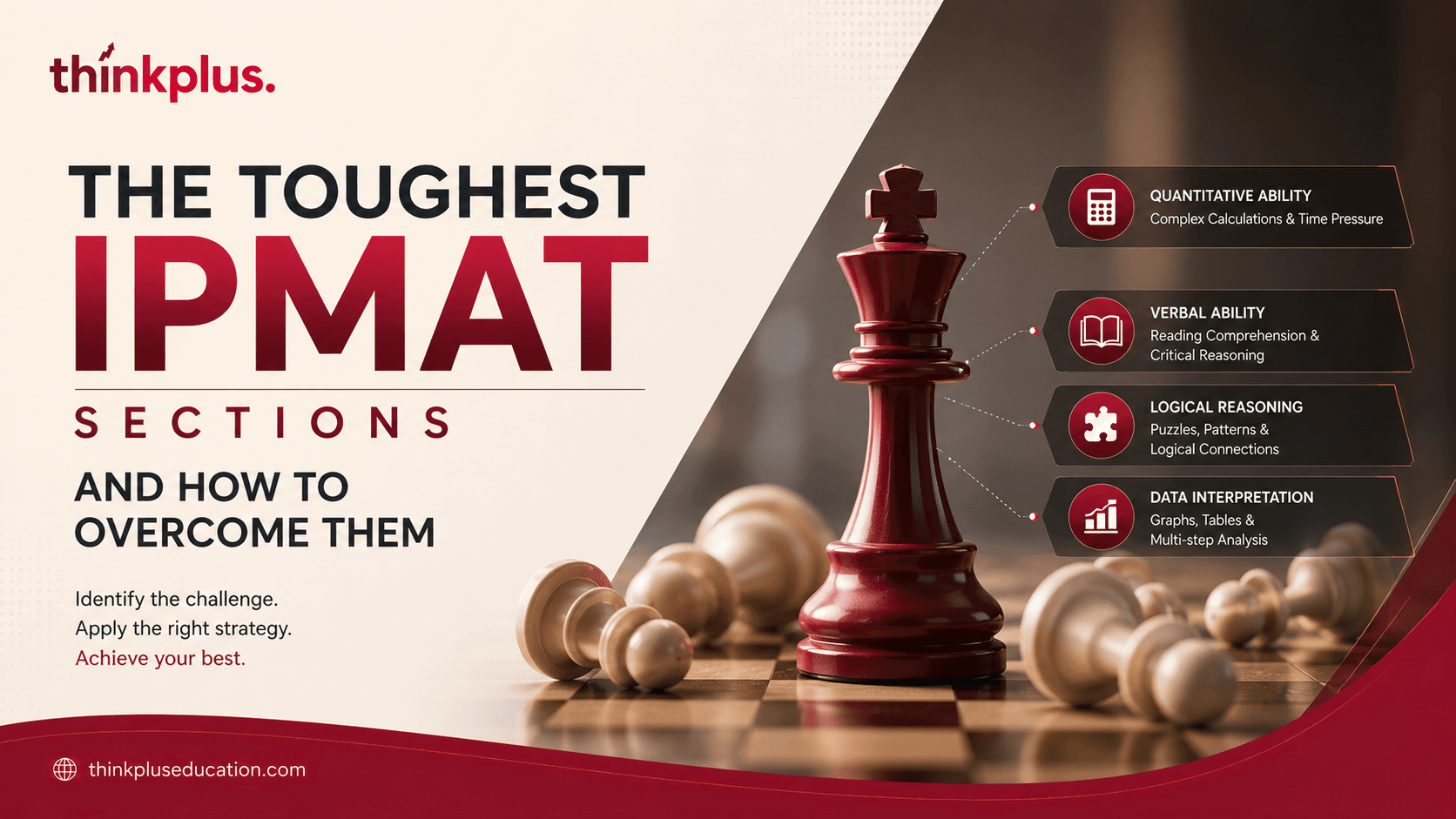
Preparing for the Integrated Programme in Management Aptitude Test requires more than solving a large number of aptitude questions. Successful IPMAT preparation involves understanding the exam you are targeting, building conceptual strength, improving speed and accuracy, analysing mock tests and developing the discipline to perform consistently under time pressure. An important starting point is to understand that there is no single identical examination called "IPMAT" across all institutes. IIM Indore's 2026 IPM Aptitude Test consisted of Quantitative Ability-MCQ, Quantitative Ability-Short Answer and Verbal Ability, with 40 minutes allotted separately to each section. Each question carried four marks, while wrong MCQ answers attracted a one-mark penalty; the Short Answer section had no negative marking. IIM Rohtak's 2026 test, meanwhile, had Quantitative Ability, Logical Reasoning and Verbal Ability, with 40 questions in each area and 120 minutes overall. Its questions were MCQs carrying four marks each, with one mark deducted for an incorrect response. Your preparation should therefore begin with your target exams.
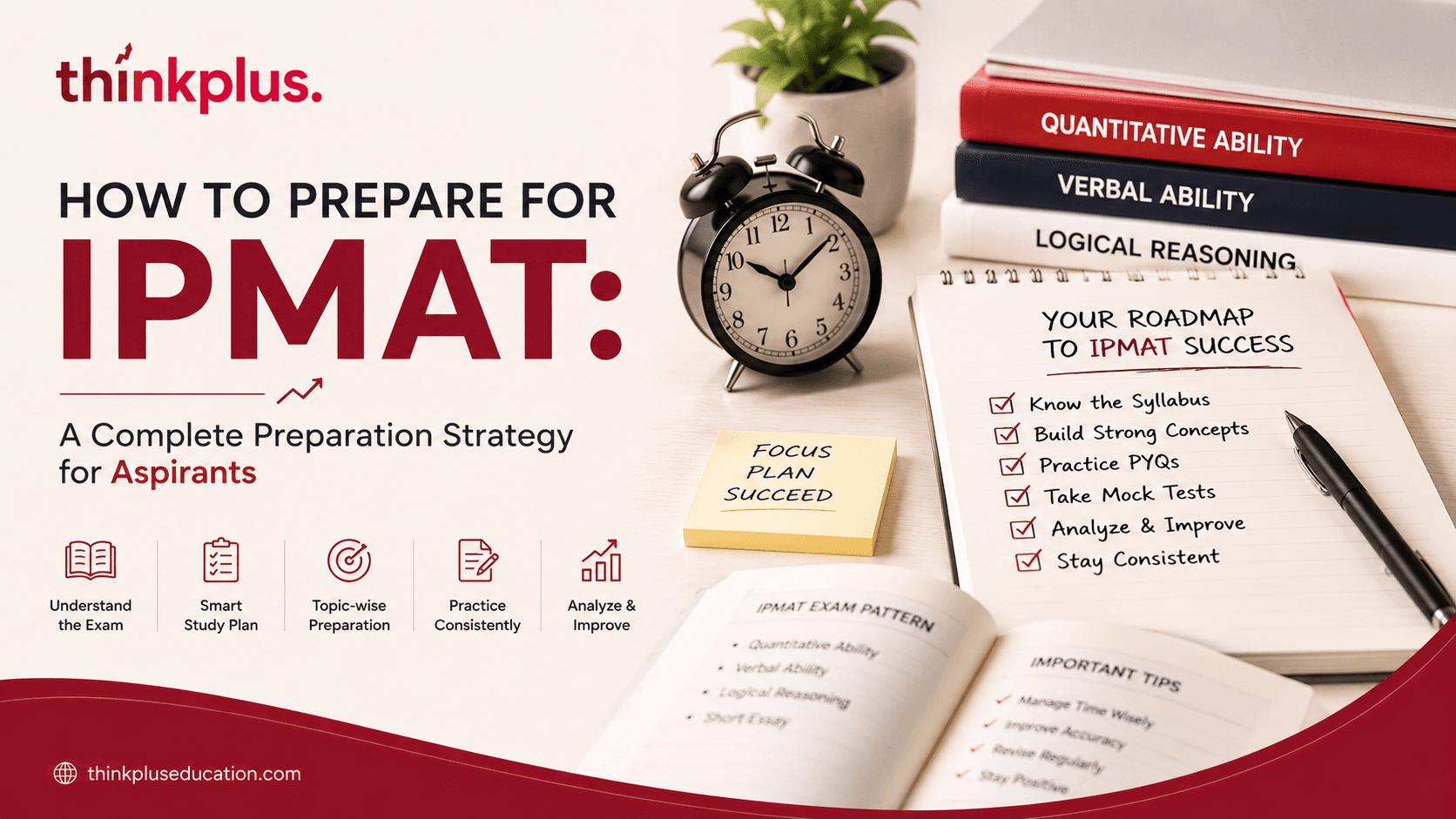
Step 1: Take a Diagnostic Test Before preparing chapter by chapter, attempt one previous-year or representative IPMAT paper without worrying about your score.
Step 2: Build Quantitative Ability from the Ground Up Quantitative Ability is often the section that requires the longest preparation period.
Step 3: Make English a Daily Habit Many students postpone Verbal Ability because they believe English can be improved shortly before the examination. That is risky. Spend at least 30-45 minutes daily on English.
Step 4: Prepare LR Separately When Necessary Logical Reasoning is a dedicated section in examinations such as IIM Rohtak's IPM AT, while JIPMAT combines Data Interpretation and Logical Reasoning. The official JIPMAT 2026 paper included 33 questions in Quantitative Aptitude, 33 in Data Interpretation and Logical Reasoning, and 34 in Verbal Ability and Reading Comprehension. Practise arrangements, series, coding, directions, logical deductions, syllogisms, data sets and other reasoning formats regularly if these exams form part of your target list.
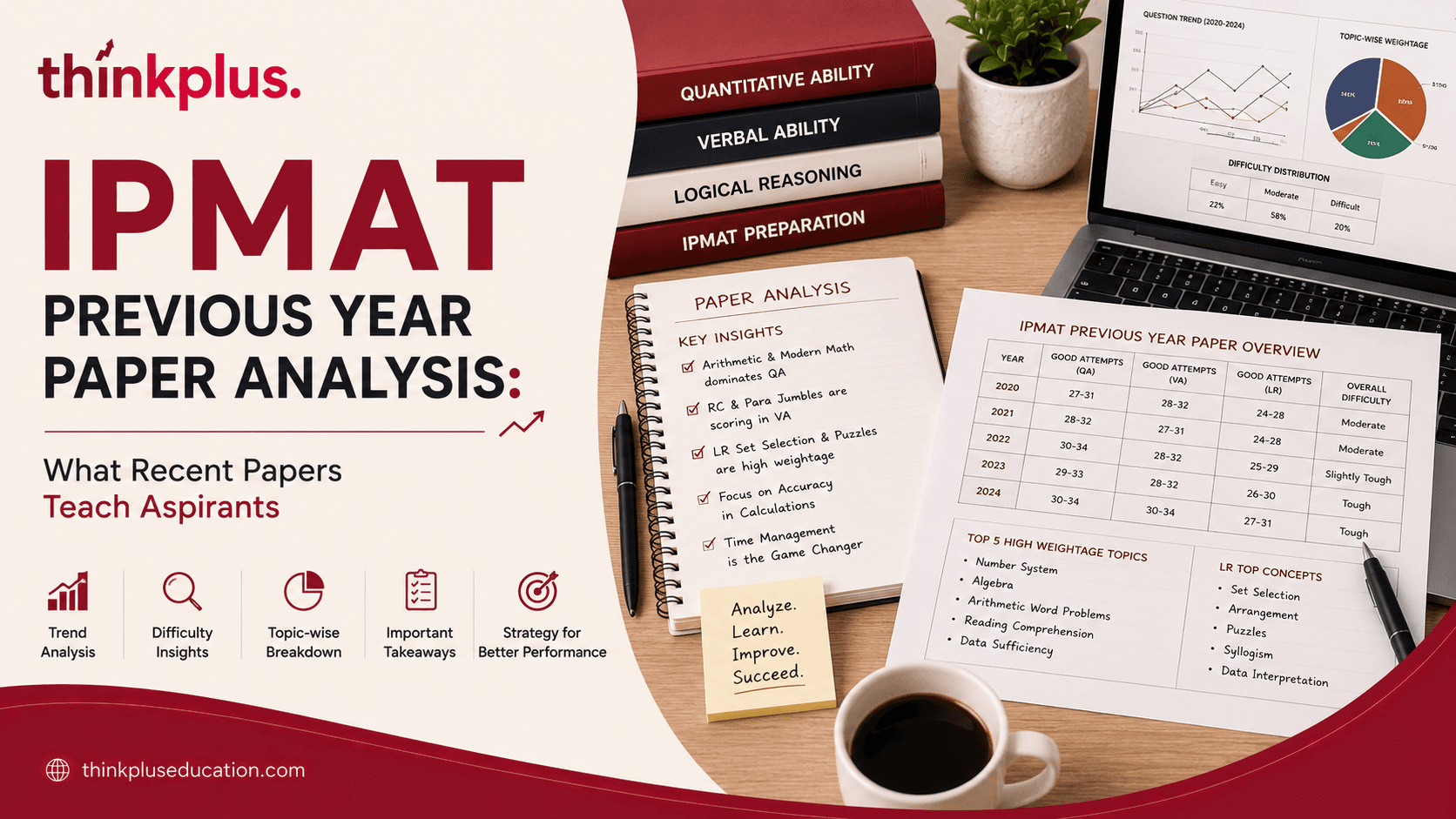
step 5: Shift Gradually from Learning to Testing During the first stage of preparation, devote most of your time to concepts. Later, increase testing. A useful progression is: Topic tests -> Mixed-topic tests -> Sectional tests -> Full mocks -> Previous-year papers. Do not measure progress only through mock scores. Analyse why every important mistake happened.
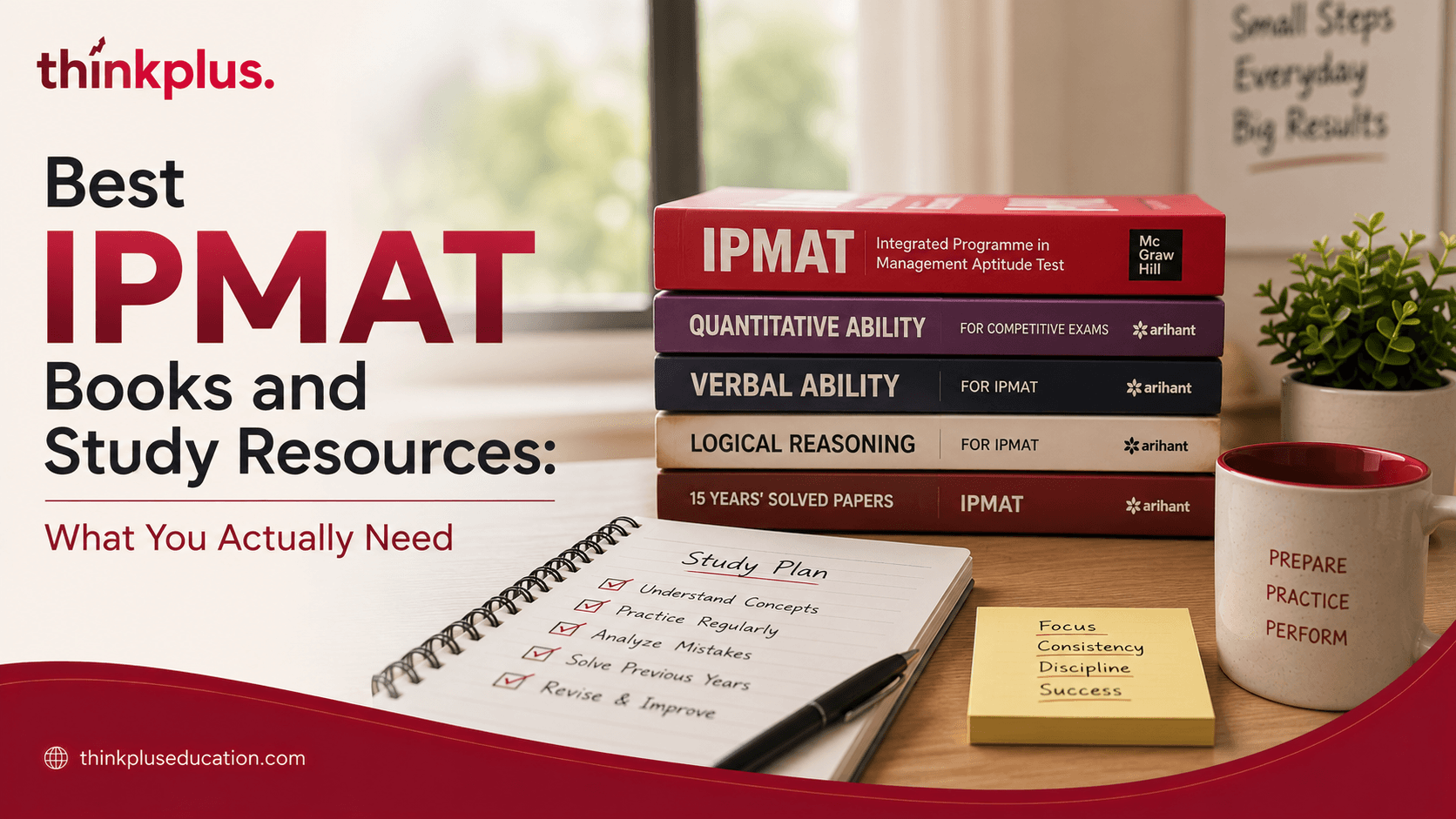
Step 6: Maintain an Error Log Create a notebook or spreadsheet containing your most important errors. Record the question type, why you made the mistake and the correct approach. Review this notebook every week. Repeated mistakes are more dangerous than difficult questions because they indicate that your preparation is not converting into learning.
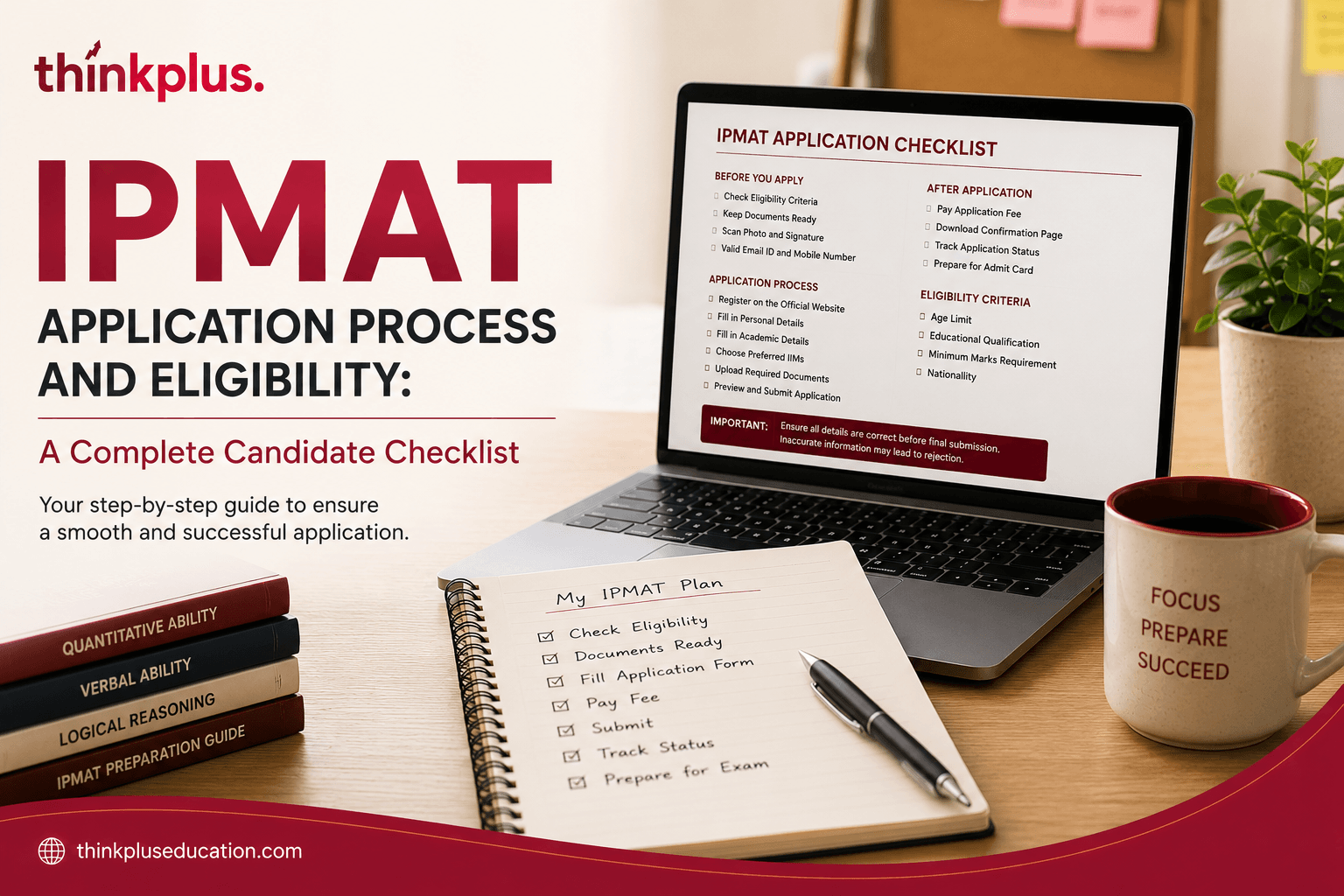
Step 7: Prepare for Selection Beyond the Written Test IIM Indore's 2026 final selection gave 65% weight to the Aptitude Test Score and 35% to the Personal Interview the institute also required candidates to clear minimum performance requirements before progressing through the selection stages.
Conclusion There is no secret formula for how to crack IPMAT. The most reliable formula is structured preparation. Build concepts first, practise progressively harder problems, read every day, take mocks, analyse mistakes and learn to choose questions intelligently. IPMAT rewards not only knowledge but also judgement. A candidate who knows when to solve, when to skip and when to return to a problem often performs better than someone who simply knows more formulas. Start early, remain consistent and allow every mock test to make your next attempt better.
Talk to a Thinkplus counsellor and turn this article into a realistic preparation plan.